
Most AI image generator comparisons judge the result of a single prompt. That does not help much when the subscription only includes one model, the model you want costs ten times more credits, or the tool has no mobile app or integration options.
I compare 10 actual platforms by model selection, effective price per image, free plan, usability, features, mobile apps, and MCP support.
I deliberately separate the platform from the underlying model. ChatGPT, Gemini, and Firefly are interfaces with their own limits and tools. GPT Image 2.5, Nano Banana 2, and Ideogram 4.0 are models underneath. The same model can therefore cost differently and expose different editing features across two tools.
- Pollo AI combines many models and tools. For a single automated task, official APIs are often easier and more precise to calculate.
- ChatGPT Images 2.5 and Midjourney V8.2 are the most important platform updates. Midjourney remains strong at style control but has no official API.
- Pollo AI, Ideogram, and Leonardo.Ai document MCP access. Adobe offers enterprise workflows, while Google Cloud publishes experimental GenMedia MCP servers.
1. My verdict
Pollo AI is a useful choice for multiple models and image tools in one interface. Adobe Firefly is a better fit for Creative Cloud workflows. Midjourney specializes in style control, Ideogram in text and layouts, and ChatGPT and Gemini in the fastest chat-based experience.
2. The 10 best AI image generator platforms
 Pollo AI
 Adobe Firefly
 Midjourney
 Ideogram
 ChatGPT
 Google Gemini
 Leonardo.Ai
 Supermachine
 ArtSpace.ai
 Artsmart.ai
3. Credits compared with direct API costs
A credit is not a currency. Providers charge differently by model, resolution, quality level, and edit. The useful metric is the cost for your specific output.
Subscription prices, included credits, and available models can change with promotions. For Adobe and Ideogram, the calculations assume the stated plan and full use of monthly credits. Direct API figures are published image-output prices. Inputs, tax, and currencies can change the comparison.
The Ideogram calculation uses annual Plus at $180 per year with 1,000 priority credits per month. Using the full allowance puts each credit at $0.015. The chart excludes extra images generated in slow mode and taxes. Unused monthly credits expire. Paying $20 monthly raises the cost per credit to $0.020 and removes the subscription savings shown here. Ideogram lists the 4.0 API prices separately on its model page.
Ideogram Plus: 4.0 TurboIdeogram Plus: 4.0 DefaultIdeogram Plus: 4.0 Quality
The chart shows Ideogram because it compares subscription credits and API prices for the same model in US dollars. The table also includes specific Adobe and Artsmart examples. Different currencies, taxes, models, or billing methods keep those figures off this shared scale.
Pollo AIGPT Image 2.5 and moreAdobe Firefly StandardNano Banana 2 (1K)Adobe Firefly StandardFirefly Image 5Artsmart.ai BasicText to ImageGoogle Gemini APINano Banana 2 LiteGoogle Gemini APINano Banana 2OpenAI APIGPT Image 2.5 Flare / SunburstIdeogram PlusIdeogram 4.0 TurboIdeogram PlusIdeogram 4.0 Default / QualityAdobe Firefly Standard costs €10.98 per month in Germany and includes 2,000 generative credits. Adobe currently charges 20 credits for Nano Banana 2 at 1K. If you use all monthly credits for that model, the effective cost is €0.1098 per image. This includes German VAT; the Gemini API is quoted in US dollars before tax. Adobe marks this credit rate as temporary.
Google's direct API is transparent. Nano Banana 2 Lite costs $0.0336 at 1K, and Nano Banana 2 costs $0.067 at 1K. OpenAI bills GPT Image 2.5 image-output tokens. Flare targets fast everyday images, while Sunburst targets precise editing. A subscription is useful when its interface, editing tools, or multi-model access saves you time.
ChatGPT, Gemini, and Midjourney do not support a clean credit comparison. ChatGPT and Gemini bundle images into general AI subscriptions with dynamic limits. Midjourney bills GPU time. Its $10 Basic plan includes 200 Fast GPU minutes, but Midjourney does not publish one universal cost per four-image job. The model, mode, resolution, and extra runs change GPU usage.
4. Platforms in detail
1. Pollo AI
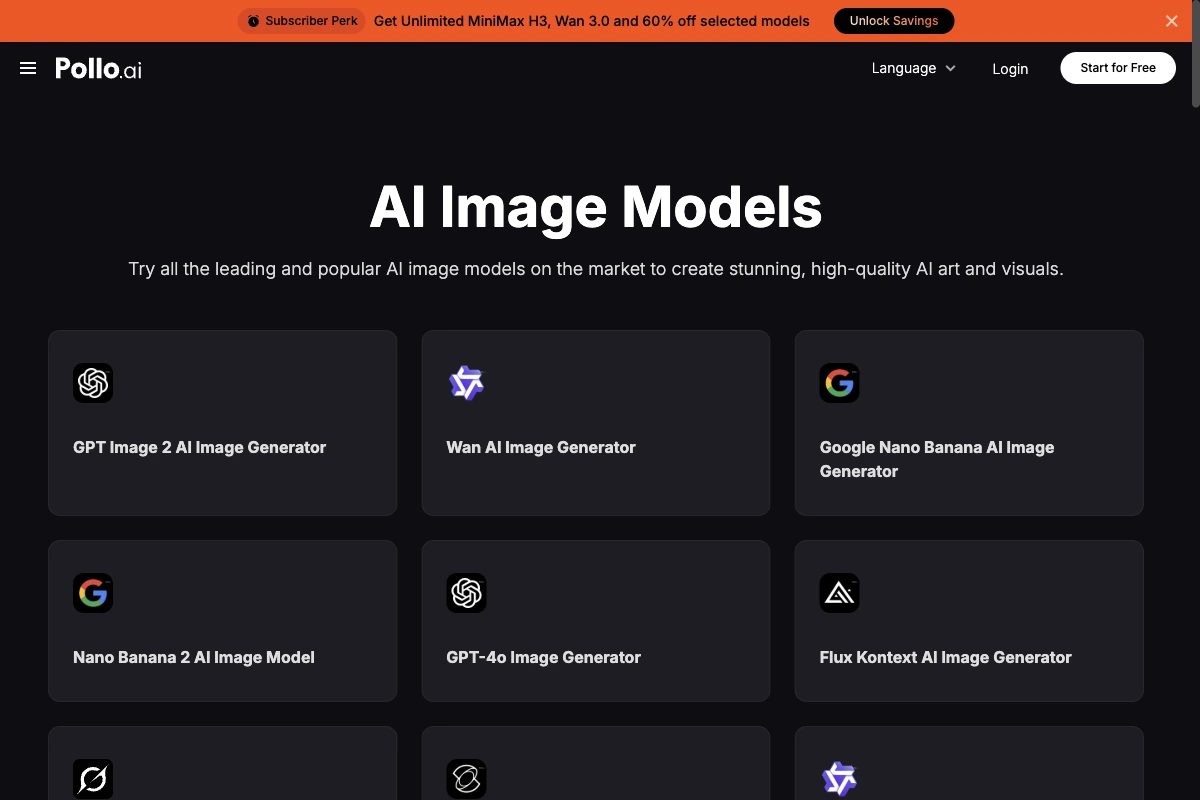
For Pollo AI, this is what I found.
- Image models: GPT Image 2.5, Nano Banana 2, Seedream 5.0 Lite, and more
- Credits: usage varies by model and plan
- Free plan: up to 20 images according to Pollo, depending on the model
- Features: 30+ image tools, plus video, Agent, and Marketing Studio
- App: iOS and Android
- MCP: yes, plus CLI and API
Pollo AI combines image generation, editing, and upscaling in one workflow. The platform currently lists GPT Image 2.5, Nano Banana 2, and Seedream 5.0 Lite among others. The important question is not the number of models, but which one supports the image and editing work you actually need.
The model list changes quickly. Pollo currently includes GPT Image 2.5, Nano Banana 2, Seedream 5.0 Lite, and other third-party models. Not every entry represents a distinct model family because Pollo also lists generator and editing tools. Its API is a separate product surface with usage-based billing.
A universal per-image price would be misleading because credits depend on the model and plan. Check the charge for the chosen model before subscribing just because the entry price appears low.
The interface remains clear despite its size. Generator, upscaler, background removal, Magic Eraser, inpainting, uncrop, product photos, and face enhancement are easy to find. The tradeoff is a complicated pricing structure with changing unlimited promotions.
2. Adobe Firefly
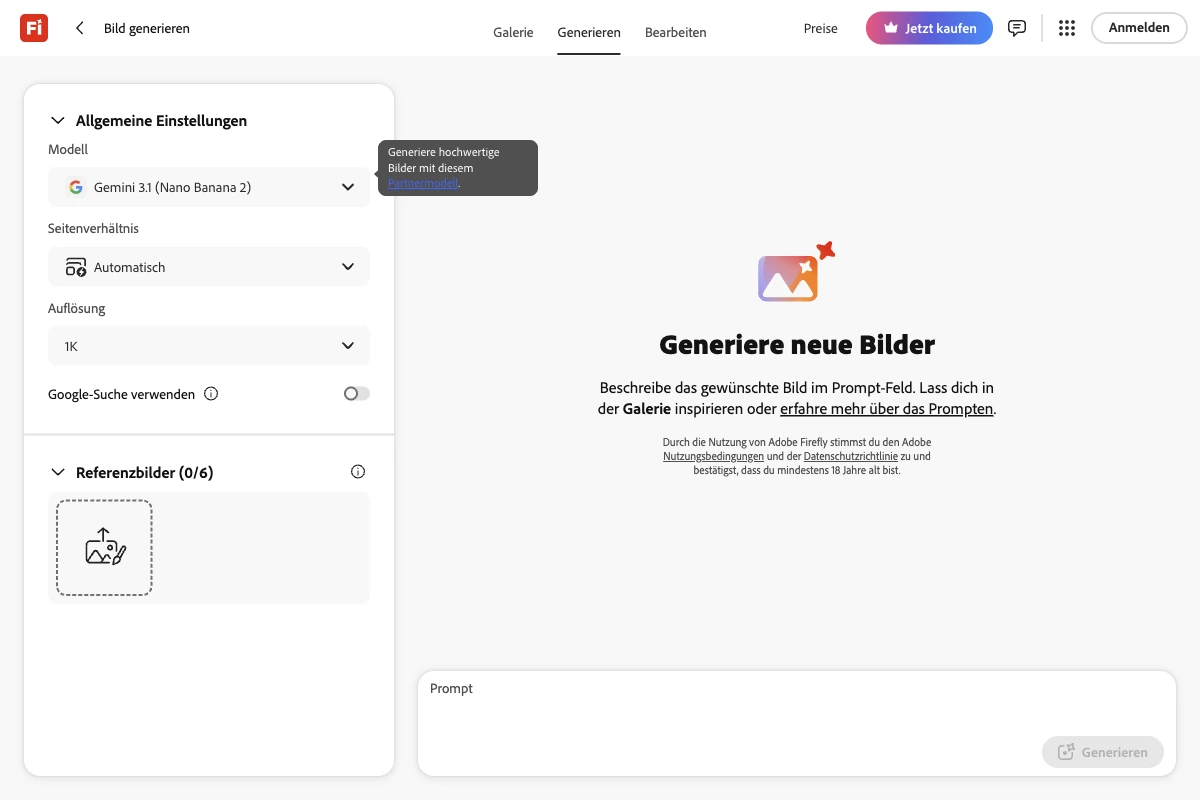
These are Firefly's relevant details.
- Image models: Firefly and partner models, depending on plan and region
- Credits: Standard includes 2,000 monthly credits; Firefly Image 5 costs 10, Nano Banana 2 currently costs 20 credits at 1K
- Free plan: yes, with limited daily generations
- Features: generation, fill, expand, references, Boards, and Creative Cloud workflows
- App: iOS and Android
- MCP: enterprise workflow, plus APIs
Adobe Firefly combines Firefly models with partner models. The exact selection depends on plan, region, and temporary offers. Firefly is particularly useful when you need Creative Cloud integration rather than only one image model.
Firefly shows credit use before generation. According to Adobe's current partner-model table, Nano Banana 2 costs 20 credits at 1K or 2K and 30 at 4K. Adobe's credit FAQ lists 10 credits for Firefly Image 5. GPT Image 2 costs 5, 20, or 80 credits depending on quality. GPT Image 2.5 is listed as an available model, but the partner-model table does not yet publish its credit rate. Partner-model rates can be temporary.
The interface is polished, and composition, style, color, references, and aspect ratio are easy to reach. The mobile app is fully featured. Adobe's documented MCP workflow, however, is designed for organizations and requires administrator credentials and an API key.
3. Midjourney
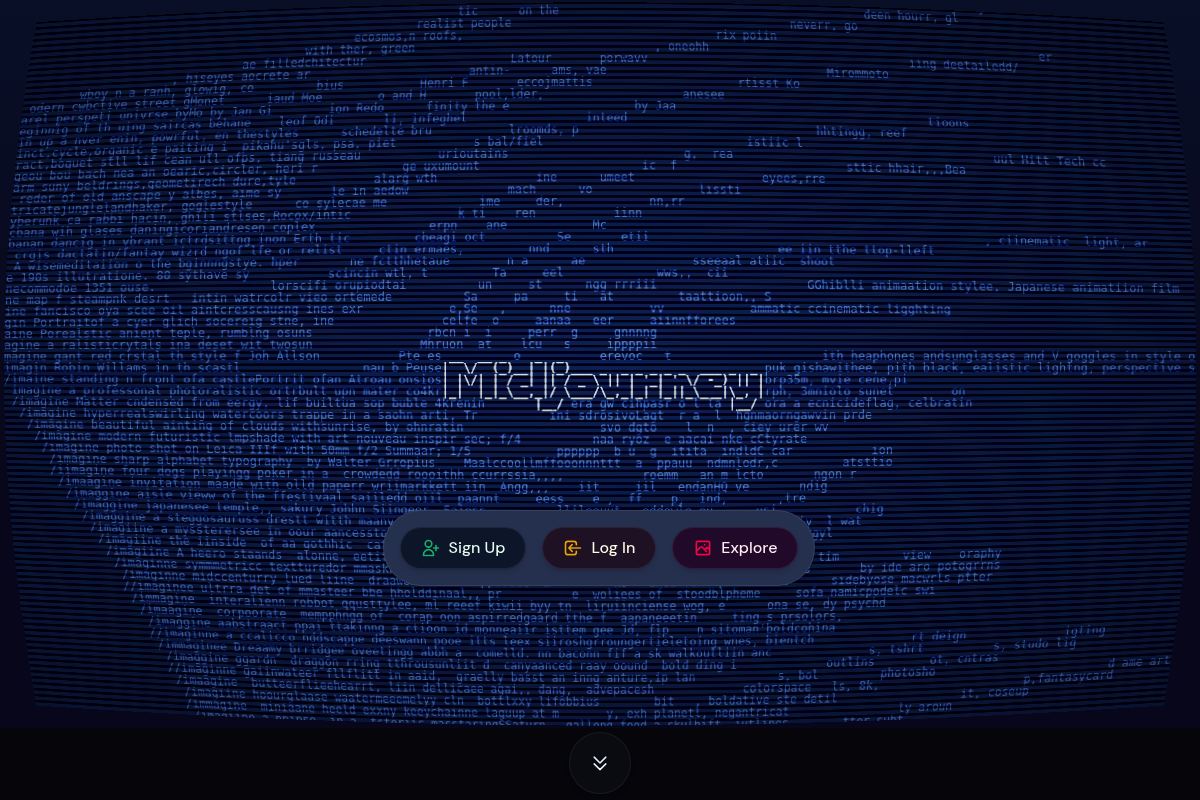
Midjourney's current setup looks like this.
- Image models: V8.2 as default, Niji, and legacy versions
- Credits: none, billed through GPU time
- Free plan: no free plan, but a limited trial in the Niji Journey app
- Features: Create, Edit, Organize, Personalize, Moodboards, and Style Creator
- App: Niji Journey for iOS and Android
- MCP: no documented official MCP and no official API
Midjourney is the right choice when style control, moodboards, and a distinctive visual language matter more than open integrations. V8.2 has been the default model since July 24, 2026. It brings a new Edit Model that replaces Omni Reference, Character Reference, and Retexture. The web interface works directly, so Discord is no longer required.
Basic costs $10 per month and includes 200 Fast GPU minutes. Standard costs $30 and adds unlimited Relax image generation. Automation remains its largest weakness because Midjourney documents no official API and prohibits unauthorized automation. It also has no official MCP. The limited trial is available only through the Niji Journey app, not on the website or in Discord.
For production workflows, see my guide to the main Midjourney parameters and the best Midjourney alternatives.
4. Ideogram
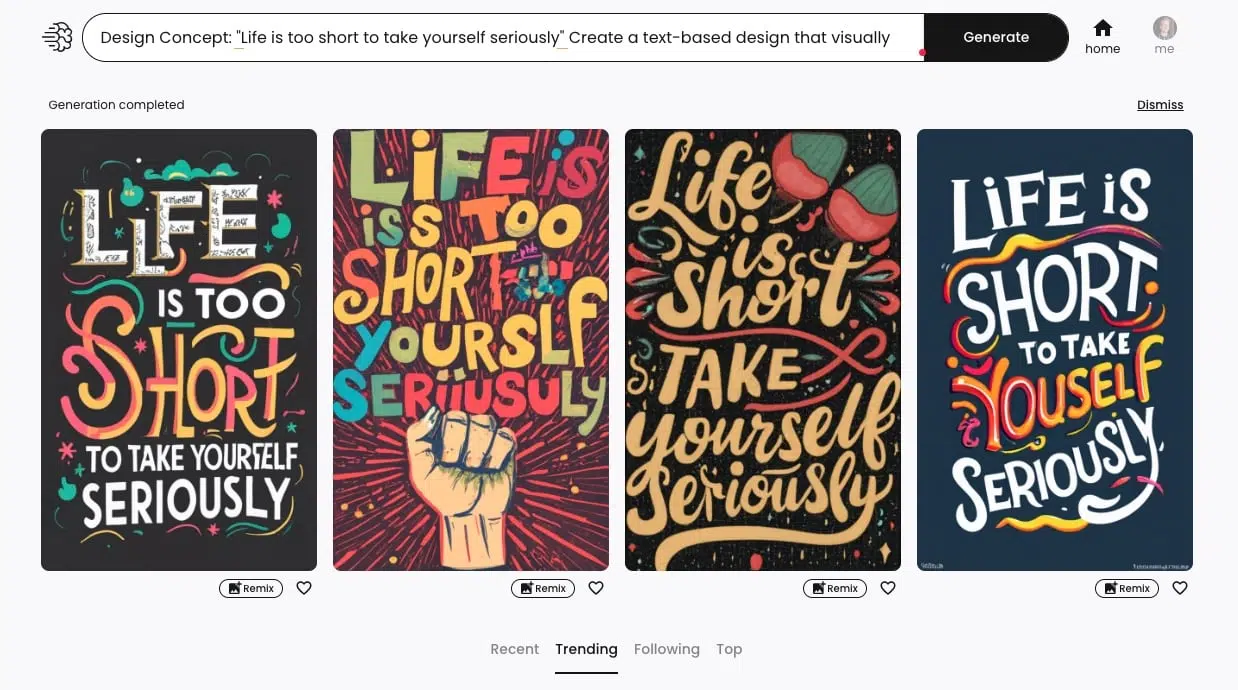
For Ideogram, these are the relevant details.
- Image models: Ideogram 4.0, 3.0, P-Image, and custom models
- Credits: 0.5 to 6, depending on version, quality, and output count
- Free plan: weekly slow credits for eligible accounts
- Features: Prompt Builder, Editor, Canvas, Character Reference, upscaling, and apps
- App: iOS
- MCP: official remote MCP and API
Ideogram provides a clearly structured professional interface. Prompt Builder, model, output count, aspect ratio, and editing are immediately accessible. Ideogram 4.0 targets multilingual text, precise layout control, editable elements, and realistic 2K images. That makes it well suited to posters, ads, and social graphics.
Pricing is unusually transparent. One credit costs $0.015 when all monthly credits on annual Plus are used. Ideogram 4.0 uses two credits in Turbo, four in Default, and six in Quality. That works out to $0.03, $0.06, and $0.09 per image. API pricing is $0.03, $0.06, and $0.10. Turbo and Default cost the same either way. Quality is about 10% cheaper through the fully used subscription. The 1,000 plan credits are issued monthly and expire.
Ideogram's official remote MCP uses OAuth and consumes the same credits as the web app. Its documentation explicitly lists Claude Code as a supported client.
5. ChatGPT

ChatGPT keeps the setup deliberately simple.
- Image models: ChatGPT Images 2.5, API variants Flare and Sunburst
- Credits: no visible image credits
- Free plan: yes, with a dynamic limit
- Features: generation, editing, Sketch, templates, and image comments
- App: iOS and Android
- MCP: no official image MCP, API available
ChatGPT provides a direct chat-based image workflow. You describe the result in natural language, upload references, and request corrections in conversation. Images 2.5 adds Sketch, templates, and comments for more focused editing. The tradeoff is no model selection, no technical controls, and no transparent per-image price. Free access is limited, while Plus costs $20 per month.
ChatGPT Images is available across ChatGPT tiers, though the limits differ by plan. OpenAI provides an image API but no official image-generation MCP server. GPT Image 2.5 Flare is the fast option for everyday images, while Sunburst targets precise editing and detailed projects. Both are billed by image tokens rather than a fixed image credit.
Older GPT Image 2 results in our model comparison do not evaluate Images 2.5. Flare and Sunburst each need their own runs with the same test protocol before they can be compared fairly.
6. Google Gemini

Gemini follows the same simple approach.
- Image models: Gemini app with image generation; API: Nano Banana 2 Lite, 2, and Pro
- Credits: no visible image credits
- Free plan: yes, with a dynamic limit
- Features: generation, editing, references, and Library
- App: iOS and Android
- MCP: Gemini API and experimental GenMedia MCP servers from Google Cloud
Google Gemini is similarly simple. You can create and edit images in a conversation. The free plan is attractive, although dynamic limits make regular work hard to plan. Use the API when reproducibility and cost control matter.
Google differentiates in its API between Nano Banana 2 Lite for low-cost, fast output, Nano Banana 2 as the generalist model, and Nano Banana Pro for more demanding work. For gemini-3.1-flash-image, image output alone costs $0.045 at 0.5K, $0.067 at 1K, $0.101 at 2K, and $0.151 at 4K. Nano Banana 2 Lite costs $0.0336 at 1K. Inputs, text output, thinking tokens, and grounding can add charges. The older Gemini 2.5 Flash Image is deprecated. Google Cloud also publishes experimental GenMedia MCP servers for Gemini and Imagen. This is not a hosted connector built into the Gemini app.
7. Leonardo.Ai
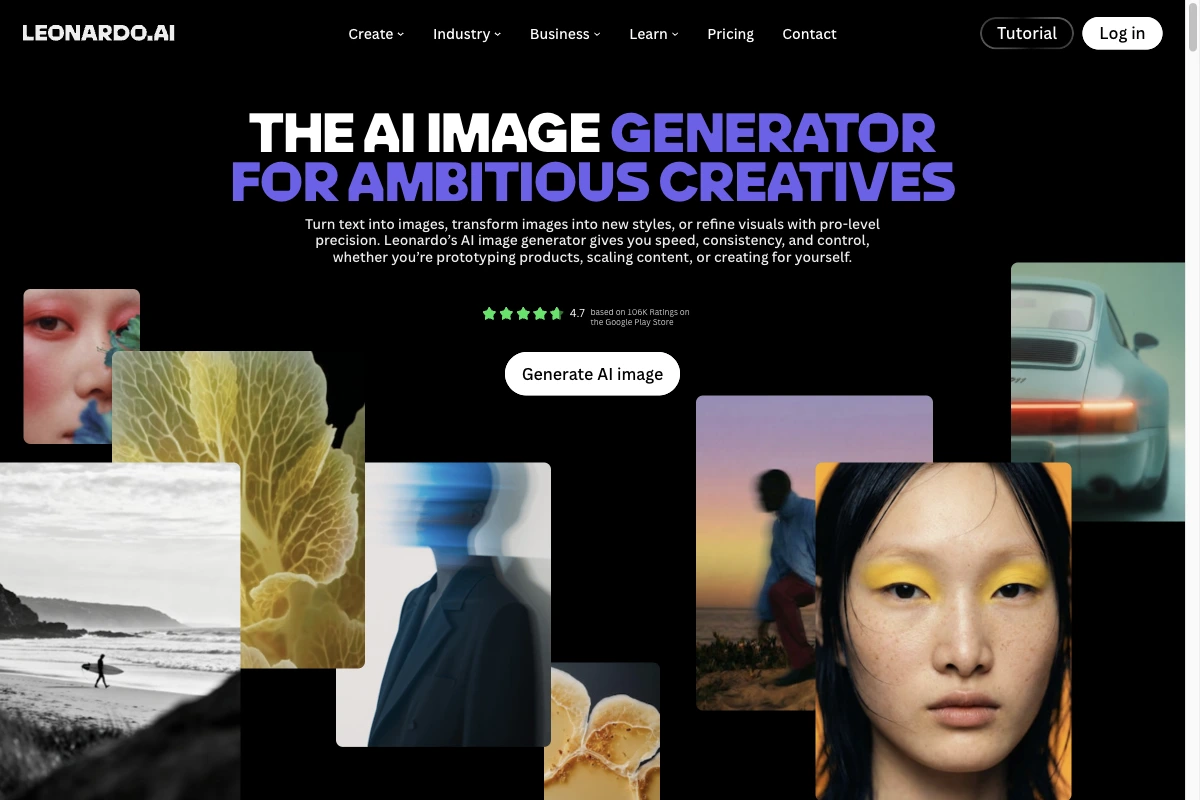
For Leonardo.Ai, I verified the following details.
- Image models: four Leonardo models plus partner models
- Credits: model-dependent tokens
- Free plan: 150 tokens per day
- Features: presets, Blueprints, Flow State, Realtime Canvas, training, and references
- App: iOS and Android
- MCP: yes, plus an API
Leonardo.Ai suits users who want many creative controls and custom models. Its four first-party models are Lucid Origin, Lucid Realism, Phoenix 1.0, and Phoenix 0.9. Partner models such as FLUX Dev and FLUX Schnell have separate token costs.
The free plan includes 150 tokens per day. Annual Essential starts at $12 per month before tax with 8,500 monthly tokens. A universal per-image calculation would be misleading because model, resolution, and extra features use different amounts. Leonardo's MCP requires an account, a separate API plan, and an API key. The documented MCP supports Lucid Origin, Lucid Realism, and Ideogram 3.0.
8. Supermachine
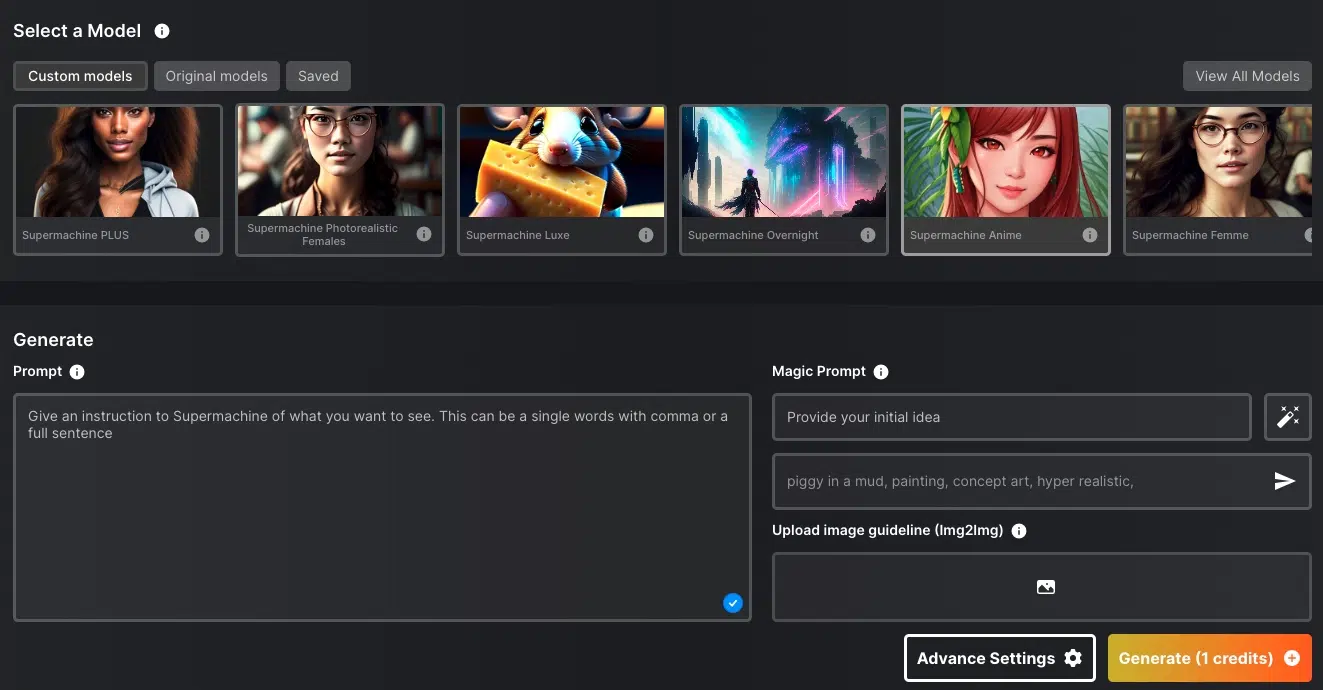
For Supermachine, I could confirm the following.
- Image models: 60+ according to the vendor
- Credits: one to four per standard image, premium models use gems
- Free plan: no, $5 trial pack
- Features: generation, ControlNet, editing, upscaling, face swap, video, and API
- App: no official app found
- MCP: no official MCP found, API available
Supermachine prioritizes model breadth. The vendor advertises more than 60 models, plus ControlNet, custom sizes, upscaling, face swap, editing, video, and an API. The public prompt interface is simple and easy to understand.
There is no permanent free plan. The $5 trial pack includes 100 credits and 500 gems. The regular lifetime plan starts at a one-time $129. Public documentation says normal image generations use one to four credits, image tools use 0.4 to 2 credits, and premium GEM models can cost 30 to more than 100 gems. I found no official mobile app or MCP server in the vendor materials I checked.
9. ArtSpace.ai
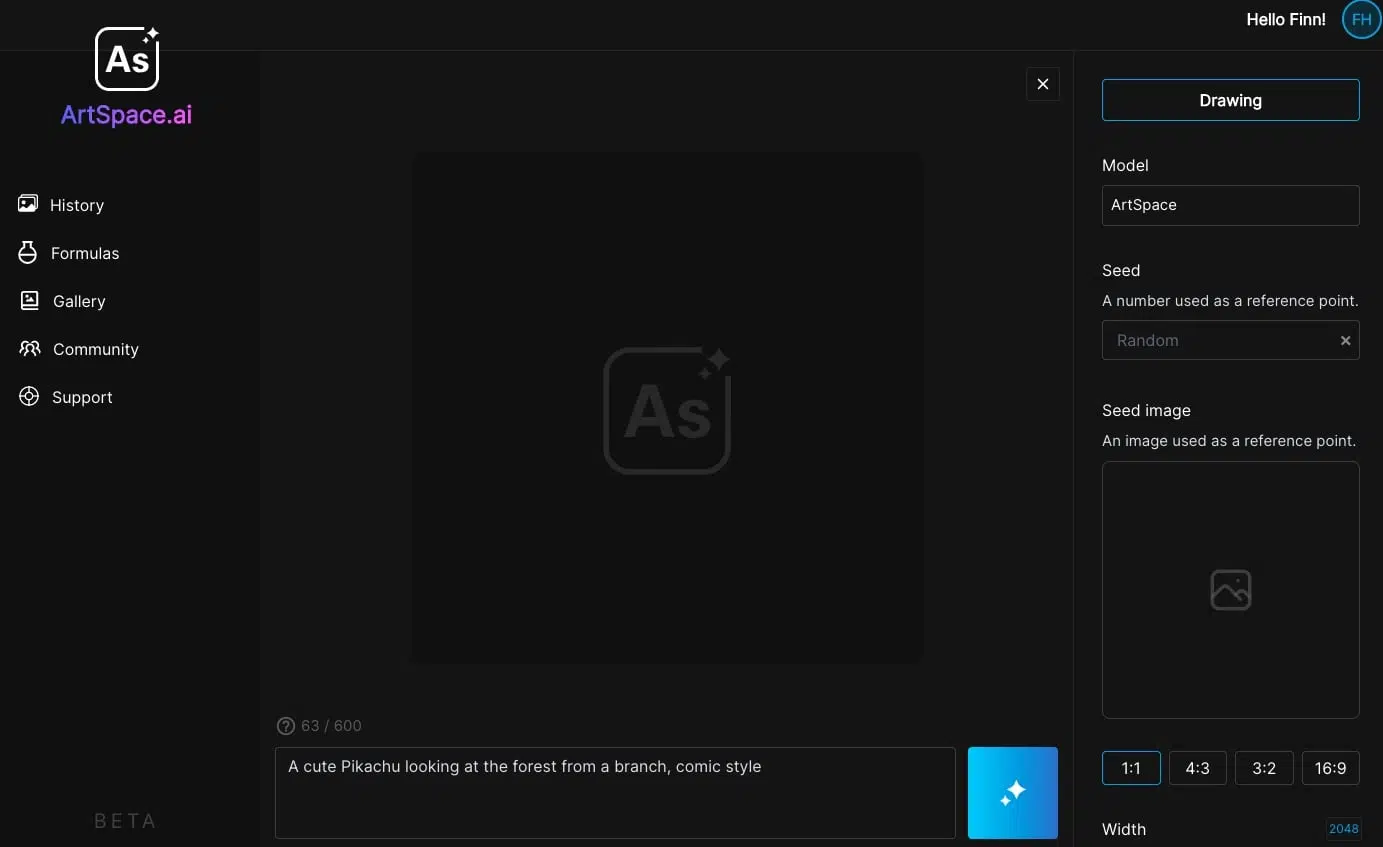
This is what ArtSpace.ai discloses publicly.
- Image models: no reliable current total published
- Credits: 300 or 1,500 credits per month, unlimited on the top plan
- Free plan: no free plan, seven-day trial on subscriptions
- Features: many one-click tools; no reliably published current total
- App: no official app found
- MCP: no official MCP or public API found
ArtSpace.ai is a platform for template-driven image work. It focuses on ready-made tools rather than a public model catalog. Features include text-to-image, inpainting, outpainting, 4K upscaling, background removal, Camera Studio, and Pose Studio.
Camera Studio and Pose Studio provide controls for perspectives and poses. That is useful for template-driven users, but ArtSpace does not reliably publish a current total for these tools. Model and credit transparency are much weaker than at Pollo AI or Leonardo.Ai. I found no public API, MCP server, or official mobile app.
The regular subscription starts at $9 monthly or $7.20 per month with annual billing and includes 300 monthly credits. The linked lifetime offer starts at a one-time $59 with 300 monthly credits in relaxed mode. That lifetime offer has a seven-day money-back guarantee, not a free trial.
10. Artsmart.ai
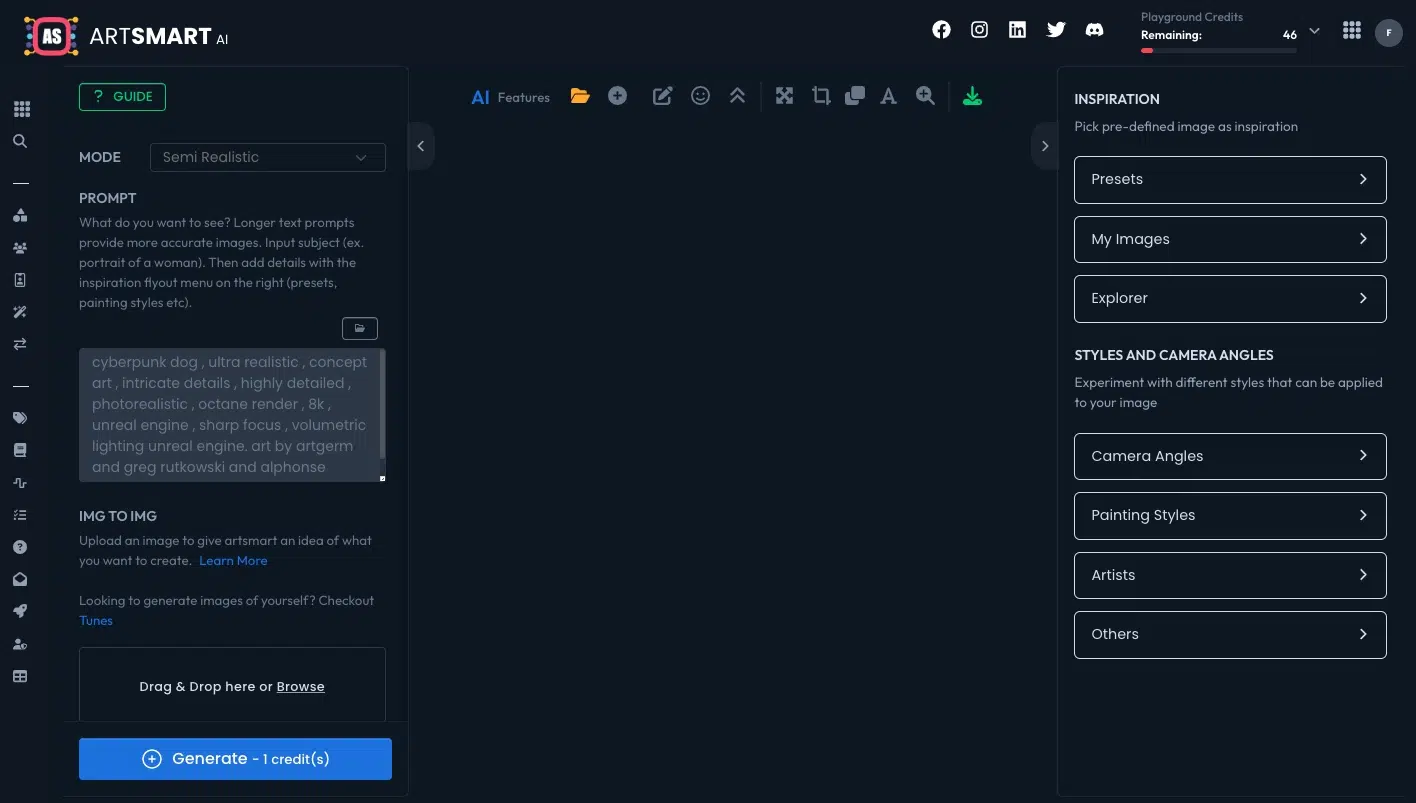
Artsmart.ai's public plan details are as follows.
- Image models: five generation modes, with up to four models compared in parallel
- Credits: 1 to 10 per text-to-image output, depending on resolution and steps
- Free plan: no, 30-day money-back guarantee
- Features: 10 tools and five generation modes
- App: no official app found
- MCP: no official MCP found, API on higher plans
Artsmart.ai combines a simple interface with useful editing tools. Playground, upscale, inpainting, outpainting, Tunes, background removal, PosePerfect, and PoseCopycat cover the main production tasks.
According to Artsmart's plan overview, annual Basic costs $16 per month for 1,000 credits. Standard costs $24.50 for 2,500, and Business costs $32.50 for 6,000. There is no free plan, though the company offers a 30-day money-back guarantee. Text-to-image costs 1 to 10 credits depending on resolution and step count. Upscaling costs 1 to 2 credits. At full use of the Basic allowance, that is $0.016 to $0.160 per image. Inpainting, face enhancement, and background removal each cost one credit. The documentation names Stable Diffusion, Vintedois, and RealisticVision, and the beta comparison can run up to four models in parallel. The exact model names are not disclosed clearly in the public plan. API access starts on higher plans, but I found no official MCP server or mobile app.
5. Which tool should you choose?
Use these shortcuts to match a tool to the work you actually do.
- Many models in one production workflow: Pollo AI
- Price for your exact model: compare the direct API with the platform plan
- Creative Cloud and broad model choice: Adobe Firefly
- Artistic style control: Midjourney
- Text, posters, and layouts: Ideogram
- Easiest interface: ChatGPT or Gemini
- Custom models and agent workflows: Leonardo.Ai
- Ready-made templates: ArtSpace.ai
Do not pay for a huge model catalog if you will only use one model. Start on the free plan, record the credit cost of your preferred model, and calculate the price of 100 finished images. That reveals whether an aggregator, a dedicated tool, or the direct API is actually the better deal.