Midjourney was the top dog among AI image generators for a long time. Then FLUX arrived from the German lab Black Forest Labs.
In August 2024, I put both tools head to head for the first time: FLUX.1 [pro] against Midjourney v6.1. Back then, FLUX won almost every category because Midjourney was still struggling with hands, limbs, and text.
In July 2026, I repeated the entire test. Same prompts, current models: FLUX.2 [pro] against Midjourney V8.1. Spoiler: the race has become much closer.
- Both tools have shed their classic weaknesses: hands, limbs, and prompt adherence are almost always right in 2026, and several categories of the retest ended in a draw
- FLUX.2 [pro] remains the reliability winner: 4 out of 4 flawless text designs (Midjourney: 2 out of 4) and consistently authentic scenes, plus 4 images in 7 to 15 seconds
- Midjourney V8.1 wins on aesthetics: the cloud-lettering images were the most spectacular of the entire test. Open models, an official API, and local use remain FLUX exclusives
1. What is FLUX?
FLUX is an AI that generates images from text prompts, so it does the same thing as Midjourney. It was developed by a team with a deep AI background that was involved in building Stable Diffusion models, for example.
In case you're interested in the technical background: many image generators are based on diffusion methods and then add processes like RLHF (reinforcement learning from human feedback) on top.
FLUX, on the other hand, uses flow matching, which was new to the field but has proven itself. Without going into detail, the interesting part is that FLUX genuinely "works" differently than Midjourney, for example.
1.1 FLUX.2 models
Since November 2025, FLUX.2 has been the current model generation. It comes in five variants:
- FLUX.2 [max]: The top model for final assets (since December 2025), including "grounded generation" with web search
- FLUX.2 [pro]: The production model for high quality at scale, our test model
- FLUX.2 [flex]: More control over the generation process, recommended by BFL especially for typography
- FLUX.2 [dev]: Open model for local development (non-commercial)
- FLUX.2 [klein]: Lightweight model for consumer GPUs, with the 4B variant under an Apache 2.0 license
Pro is the model with the best everyday balance and our recommendation if you want good results. That's why I picked the Pro variant again for the retest below.
2. FLUX.2 vs. Midjourney V8.1: The 2026 Retest
For the retest, I used exactly the same prompts as in the original 2024 test, each on the first attempt without rerolls. I tested in July 2026 with Midjourney V8.1 (web app, default settings) and FLUX.2 [pro] (official BFL Playground).
One difference from 2024 stood out immediately: back then, Midjourney generated 4 images per prompt while FLUX produced only one. Now both deliver 4 images per run. I'll show you the best of the four results in each case and tell you how the other three turned out.
2.1 Prompt adherence
Prompt adherence describes how well the image actually matches the text you entered. In 2024, this was FLUX's signature discipline, while Midjourney regularly dropped elements from complex prompts.
The prompt we tested with (German for "three-headed dragon with cowboy boots and hat, watching TV and eating nachos"):
dreiköpfiger drache mit Cowboystiefeln und Hut, der fernsehen schaut und nachos isst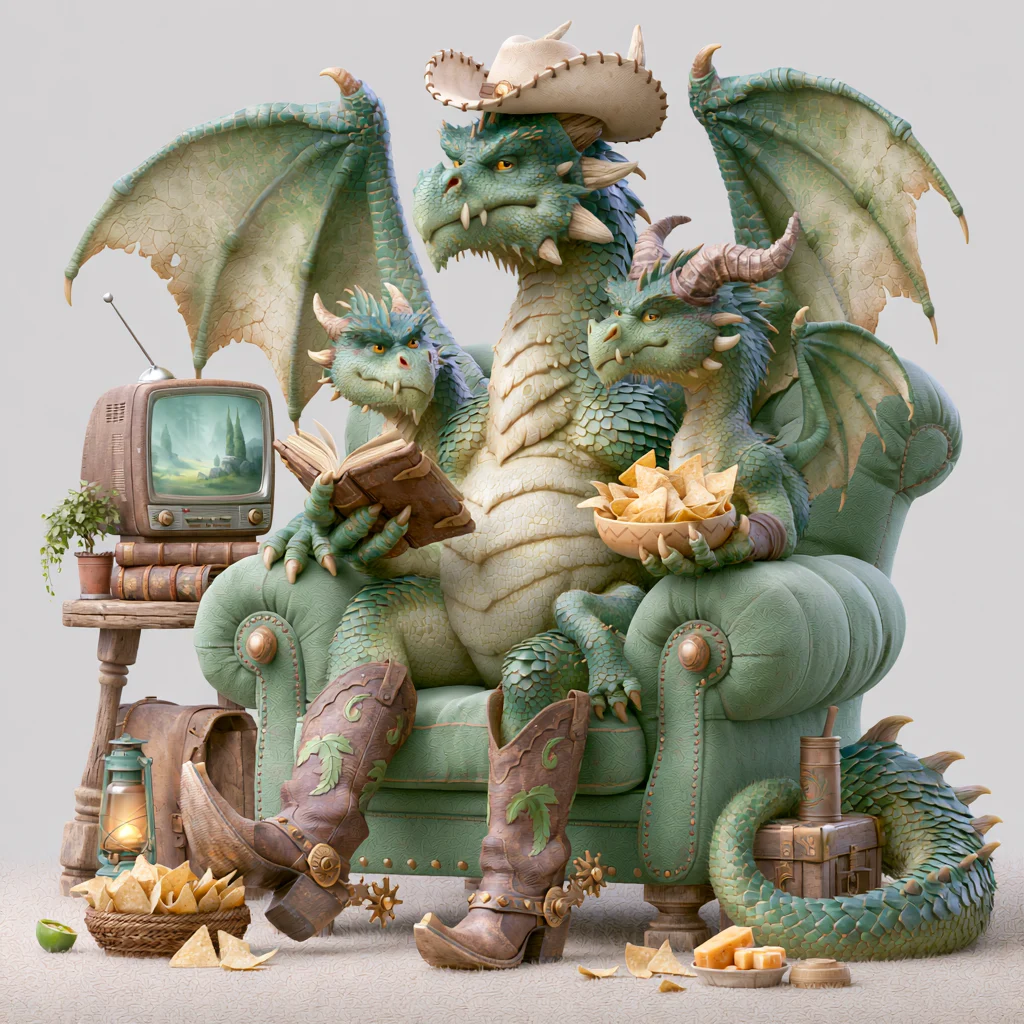
FLUX.2 [pro]:
![FLUX.2 [pro]: three-headed dragon with cowboy boots, hat, TV, and nachos](/images/en/blog/flux-vs-midjourney/flux2-pro-dragon.webp)
The result honestly surprised me: both tools now fit all five elements from the prompt into the image (three heads, boots, hat, TV, nachos). In 2024, not a single image managed that.
It's not perfect on either side: one of Midjourney's four variants had only one head, another was missing the TV. FLUX didn't fully equip the dragon in every one of its four images either. But the hit rate is around half for both, with at least one fully prompt-faithful image each. The style difference is striking: Midjourney interprets the scene in a playful, illustrative way, while FLUX leans toward photorealism.
Verdict: a draw. The category with the biggest gap in 2024 is now even.
2.2 Hands and limbs
In 2024, this was Midjourney v6.1's weakest discipline: extra limbs, deformed fingers. Let's see what has changed.
The prompt we used (German for "photo of two judo fighters"):
foto von zwei judokämpfernDrag the slider to compare the results directly:
![Judo fighters compared between Midjourney V8.1 and FLUX.2 [pro]](/images/en/blog/flux-vs-midjourney/flux2-pro-judo.webp)
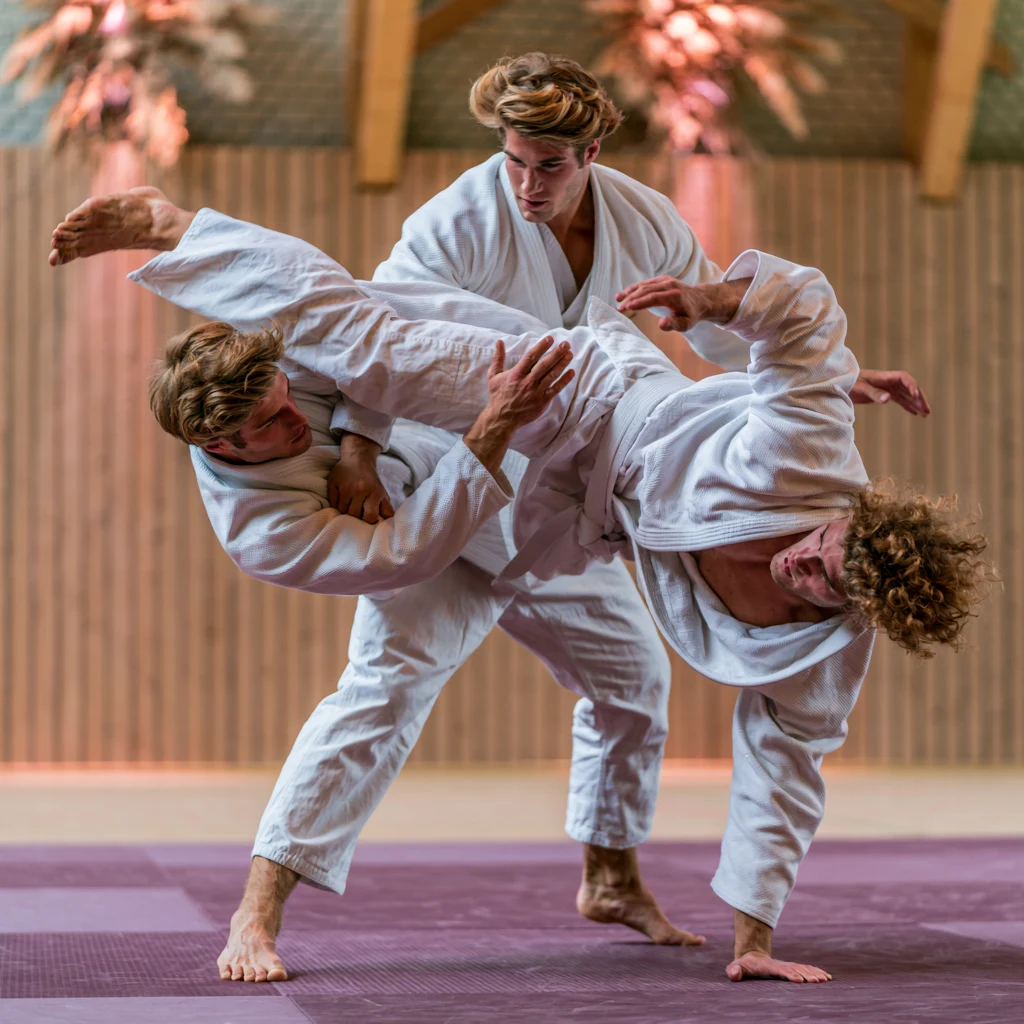
Anatomically, both are clean: no extra arms, no deformed hands, in none of the eight images. That would have been unthinkable in 2024.
FLUX still takes the point, for a different reason: authenticity. FLUX.2 consistently delivers believable judo scenes with correct grips, tatami, and competition atmosphere including an audience. With Midjourney, only one of the four images looks like real judo; the other three are more like staged martial-arts poses with a studio look.
We tested another prompt specifically for hands (German for "photo of the hands of a couple that just got married, with the wedding rings visible"):
Foto von den Händen von einem paar, das gerade geheiratet hat. Man sieht die eheringe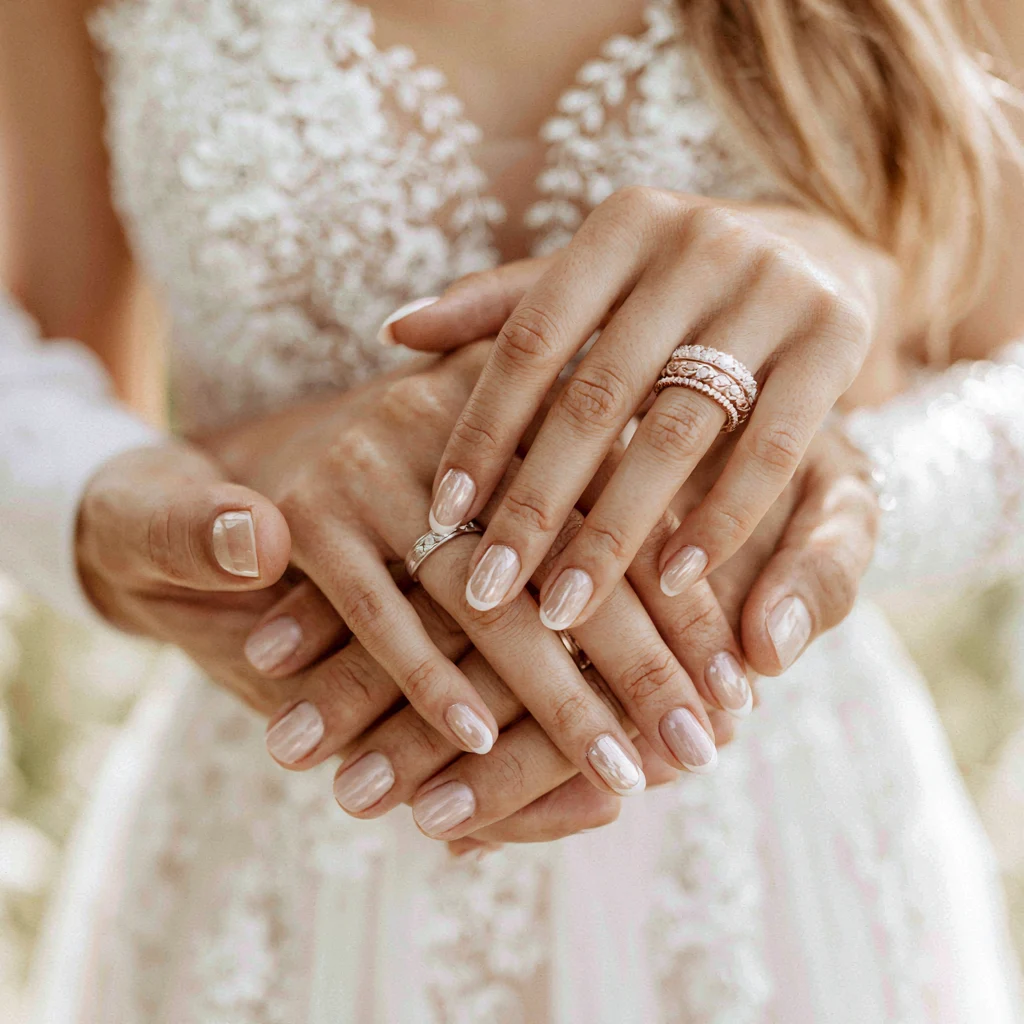
FLUX.2 [pro]:
![FLUX.2 [pro]: hands of a newly married couple with wedding rings](/images/en/blog/flux-vs-midjourney/flux2-pro-hands.webp)
In 2024, Midjourney had visible errors in 3 out of 4 images here. Today: all four images flawless, every finger count correct, the rings in place. Same for FLUX. The former knockout criterion simply isn't one anymore.
Verdict: point to FLUX for scene authenticity, a draw on anatomy.
2.3 Text
Rendering text in images has traditionally been a major challenge for image generators, since they don't understand text as text but as pixels that need to be assembled correctly.
The prompt:
vintage sunset vector t-shirt design of a dog with the text "Live more worry less." isolated on white background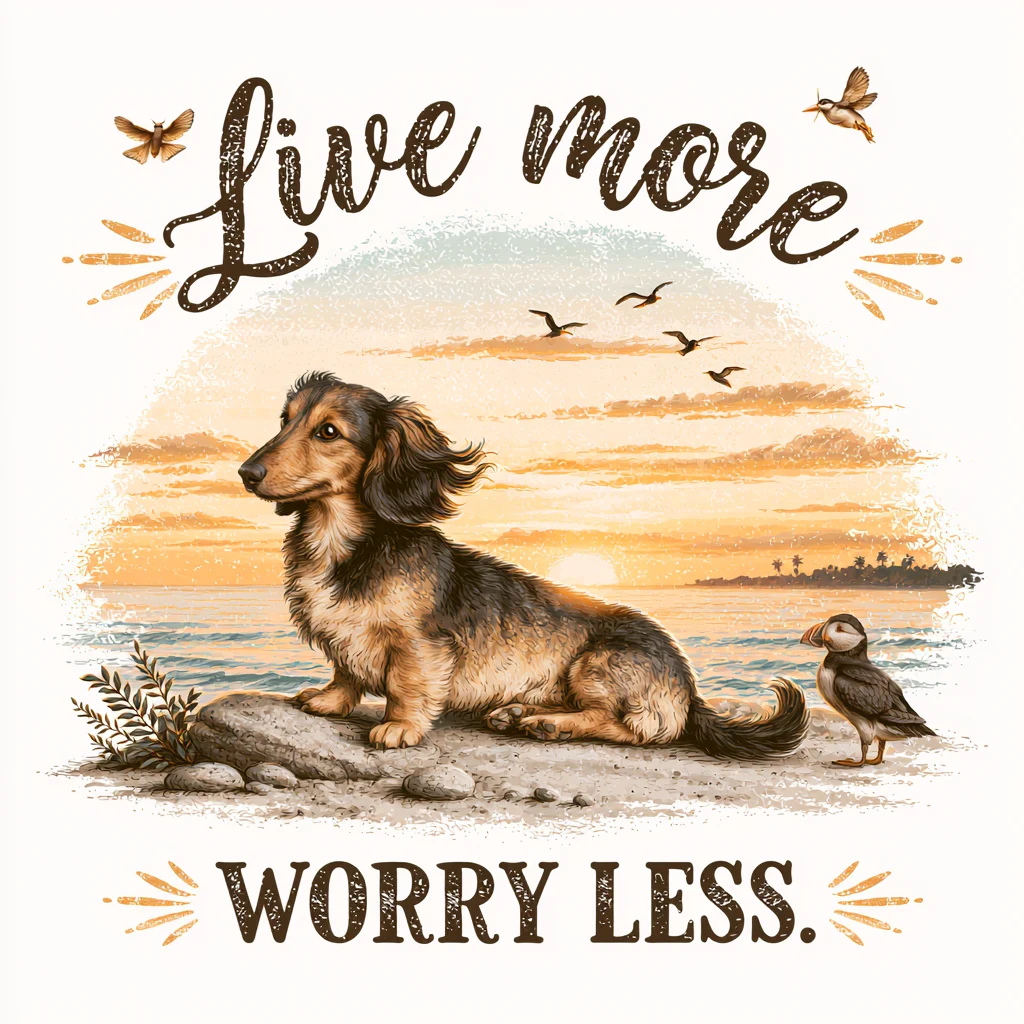
FLUX.2 [pro]:
![FLUX.2 [pro]: vintage t-shirt design with dog and the text Live more worry less](/images/en/blog/flux-vs-midjourney/flux2-pro-tshirt.webp)
This is where the most interesting difference of the whole retest shows up. Midjourney's best image is beautiful, but two of the four variants still contain gibberish ("LIVE MORE WOIRY" instead of "worry"). With FLUX.2, all four designs were flawless on the first attempt.
Let's look at another prompt:
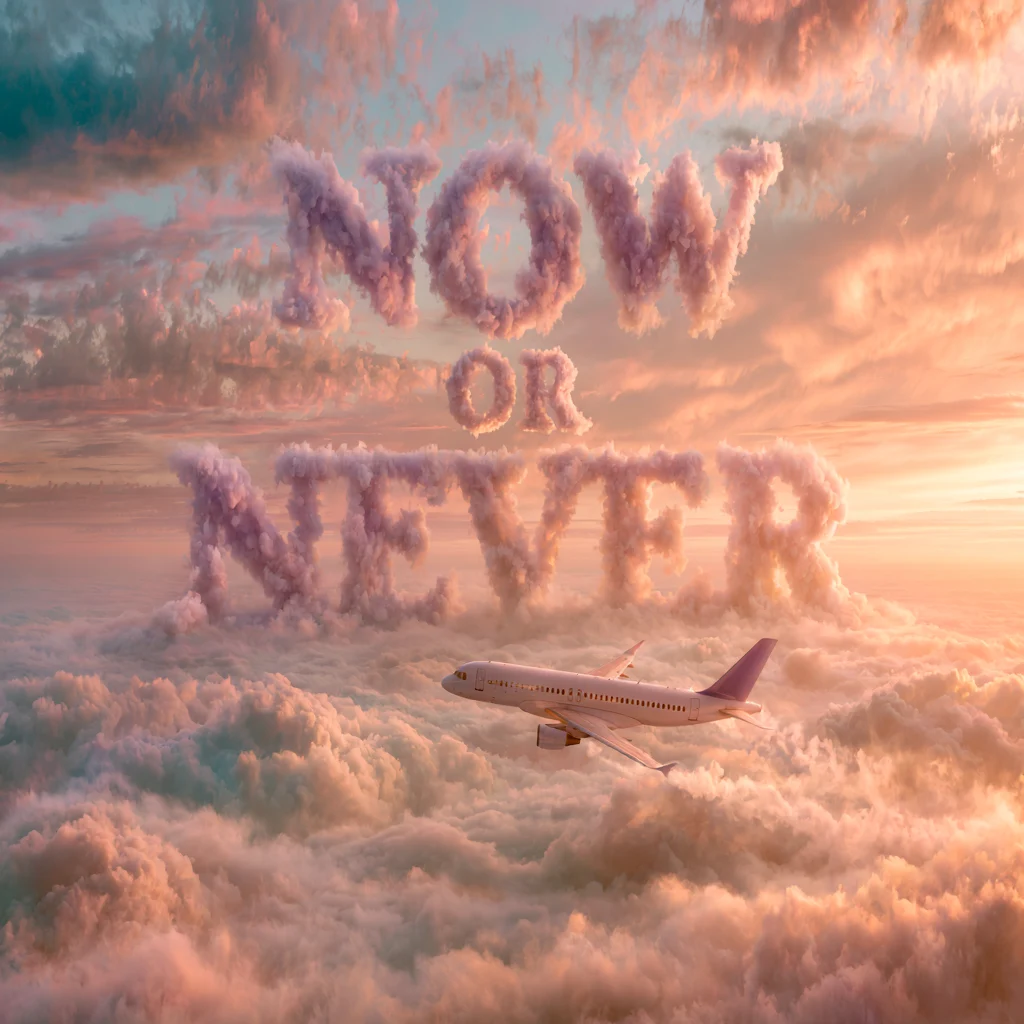
clouds forming the word "now or never" and a plane flying through themMidjourney V8.1:
FLUX.2 [pro]:
![FLUX.2 [pro]: clouds forming the words now or never with a plane](/images/en/blog/flux-vs-midjourney/flux2-pro-clouds.webp)
In 2024, Midjourney flat-out refused this prompt: the words never looked like they were formed from clouds. Today, V8.1 delivers the most spectacular images of the entire test here: sculptural cloud letters in evening light, three of four variants cleanly legible. FLUX.2 spells the text correctly in all four variants but interprets it more soberly, as skywriting against a blue sky.
Verdict: point to FLUX for reliability, point to Midjourney for staging. If you need a design that's right on the first try, take FLUX. If you're after that one spectacular image and can sort out the rejects, Midjourney delivers more wow.
2.4 Aesthetics
Midjourney images have their very own aesthetic, and the developers put a lot of emphasis on visually appealing images that carry emotion.
Other AI image generators often can't keep up with that, which is exactly why Midjourney became so popular so quickly.
The prompt we entered:
a photo of an old couple sitting on a sofa. loving, calm, happy, serene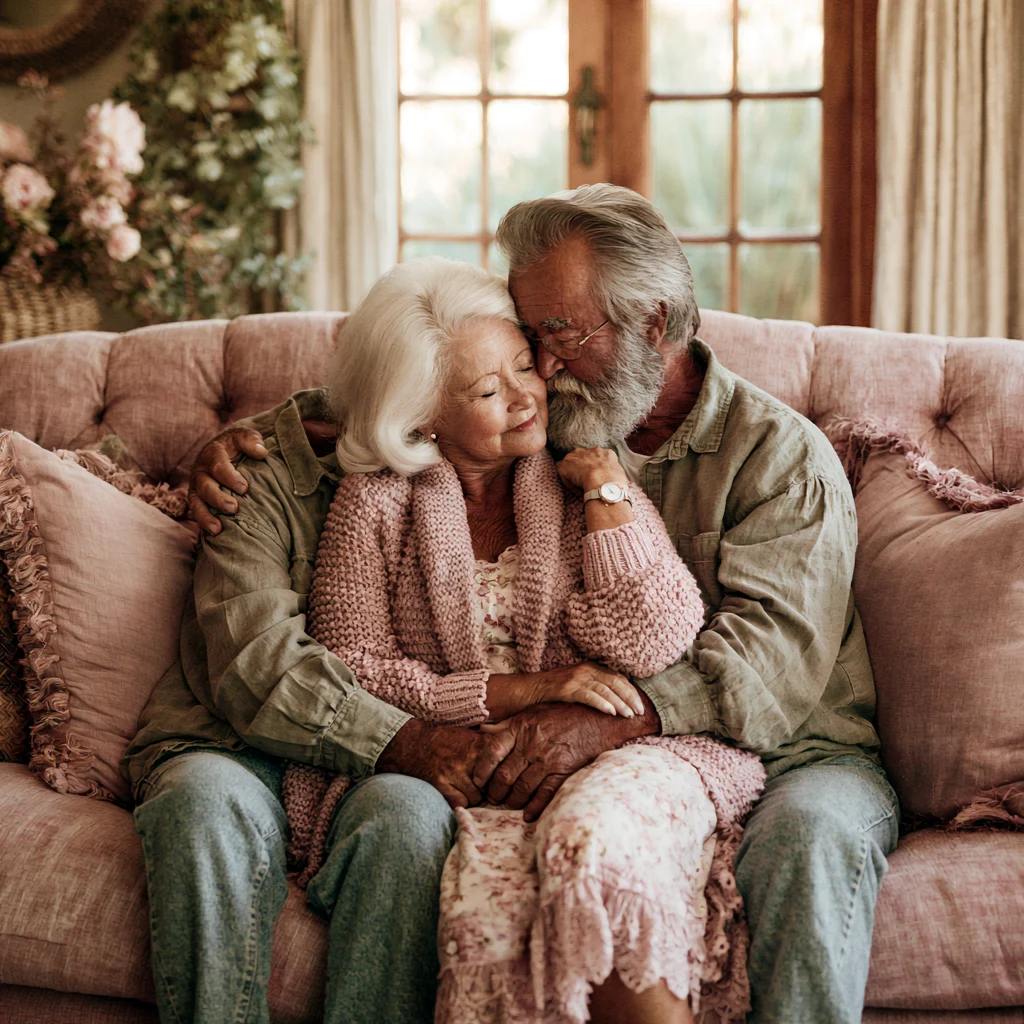
FLUX.2 [pro]:
![FLUX.2 [pro]: old couple on a sofa, loving and serene](/images/en/blog/flux-vs-midjourney/flux2-pro-couple.webp)
Both images are strong. Midjourney stages the scene warmer and more emotionally (the famous "Midjourney look" is still there in V8.1), while FLUX feels more natural and documentary, almost like a real family photo.
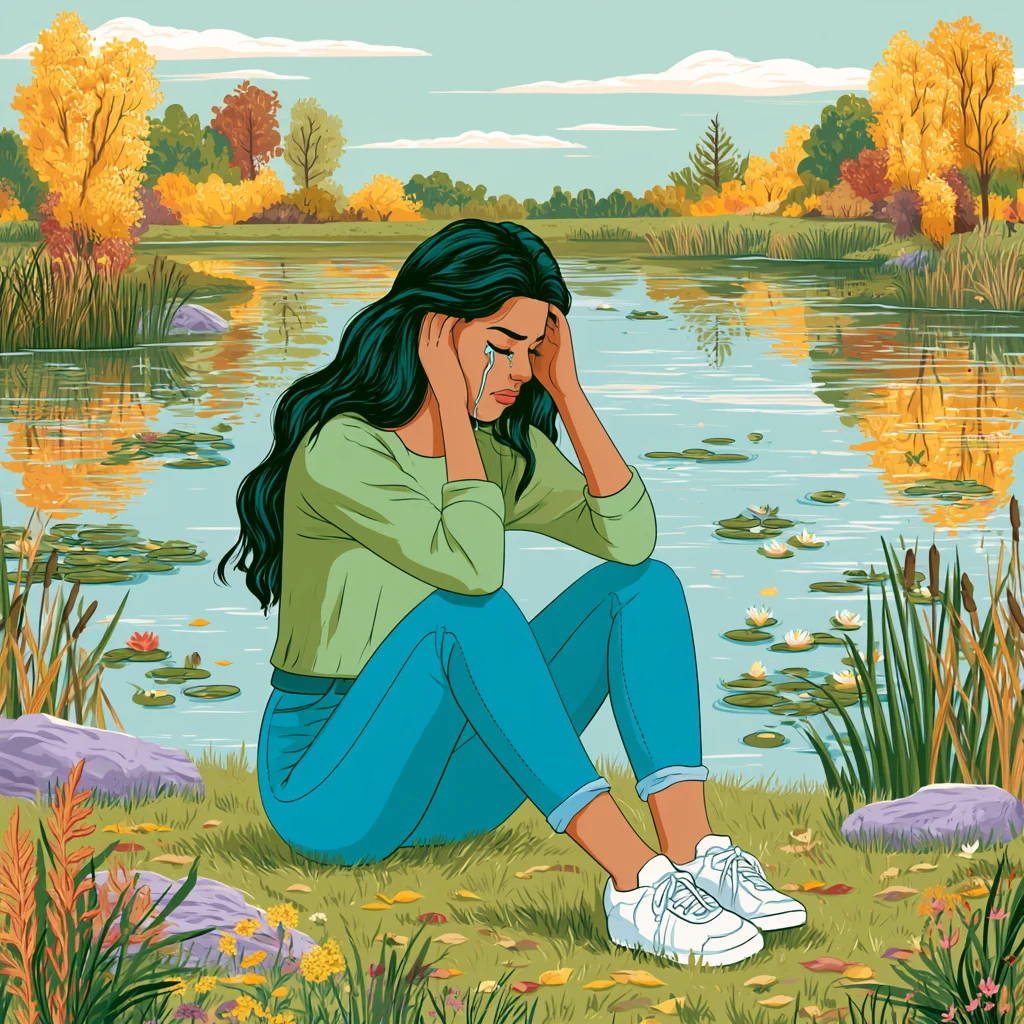
Another example:
a woman sitting near a pond, crying. sad mood, melancholicMidjourney V8.1:
FLUX.2 [pro]:
![FLUX.2 [pro]: crying woman by a pond, photorealistic and melancholic](/images/en/blog/flux-vs-midjourney/flux2-pro-woman.webp)
Something interesting happened here: Midjourney interpreted the prompt as a flat illustration in all four variants (presumably an effect of the personalization profile), while FLUX delivered four cinematic, photorealistic shots in evening mood. If you wanted a photo without explicitly specifying the style, only FLUX gives you one here.
Verdict: a matter of taste. Midjourney remains the reference for stylized, emotional images. If you want neutral photorealism, FLUX is more consistent.
3. Using FLUX.2
The easiest entry point is the official BFL Playground. In our test, it generated four images in 7 to 15 seconds and charged $0.12 for it. Via the official API, FLUX.2 [pro] starts at $0.03 per megapixel, [max] at $0.07.
Beyond that, FLUX is available through many third-party platforms, e.g. Replicate, fal.ai, or Together AI.
If you don't want to commit to a single model, an all-in-one platform is handy. I recommend Pollo AI. It combines several image and video models with image editing and upscaling tools. Midjourney itself is not included because it still has no open API.
And since the [klein] models are open, you can also install FLUX.2 locally on your own computer (e.g. via ComfyUI). According to Black Forest Labs, a consumer GPU with around 13 GB of VRAM is enough.
The most important differences at a glance:
| Feature | FLUX.2Our pick | Midjourney |
|---|---|---|
| Open modelsFLUX.2 [dev] and [klein] | Yes | No |
| Local installationFLUX.2 [klein], approx. 13 GB VRAM | Yes | No |
| Free versionFLUX.2 [klein]-4B under Apache 2.0 | Yes | No |
| Commercial useFLUX.2 [dev] and [klein]-9B are non-commercial only | [klein]-4B free, [pro/max] via API | Paid subscription only |
| Official APIBFL API from $0.03 per megapixel | Yes | No |
| Access | BFL Playground, API, third parties, local | Web app and Discord |
| Images per prompt | 4 | 4 |
| Used in the 2026 retest | FLUX.2 [pro] | V8.1 (default) |
| German prompts | Yes | Yes |
Frequently Asked Questions About FLUX vs. Midjourney
The license terms differ depending on the model and provider:
- FLUX.2 [klein]-4B: Apache 2.0 license, completely free for commercial use
- FLUX.2 [klein]-9B: Non-commercial license
- FLUX.2 [dev]: Non-commercial use only
- FLUX.2 [pro], [flex], and [max]: Commercial use via the API (from $0.03 per megapixel)
- Midjourney: Commercial rights only with a paid subscription (no free version)
FLUX continues to offer more flexibility for hobbyists and small businesses, while Midjourney has a simpler but paid licensing model.