Picture your phone ringing at 11 p.m. A customer wants to reschedule an appointment. There's no one left in the office. And yet someone picks up, sorts out the request politely, enters the new appointment in the calendar, and sends a confirmation.
That someone isn't a night-shift employee. It's an AI voice agent.
Two years ago, these AI phone assistants still sounded like a choppy robot out of a call-center nightmare. Today they hold conversations where many callers never even notice there's a machine on the other end. Latency is under a second, the voice sounds natural, and the agent understands what you actually want.
That said, not everything that shines in the vendors' marketing is gold. I've taken a close look at the market and I'll tell you honestly where a voice agent really makes sense and where you're better off putting a human on the phone.
Here's how AI voice agents work in 2026, which use cases pay off, what the tech costs, and where its limits are.
- An AI voice agent handles phone conversations on its own, understands spoken language in real time, and can access your calendar, CRM, and knowledge base. Typical jobs: 24/7 customer support, appointment booking, lead qualification, and outbound calls.
- ElevenAgents from ElevenLabs is the obvious main option for me: sub-second latency, more than 70 languages, telephony integration, and a no-code build plus API. The paid plans include a bundle of conversation minutes, and the overage cost sits at around 8 cents per additional conversation minute.
- The math often works out, because that overage cost of around 8 cents per additional conversation minute is well below labor costs. Still: complex or emotional cases belong with a human. The best setup is a hybrid of AI for routine and a person for the rest.
1. What Is an AI Voice Agent?
An AI voice agent is software that holds a real conversation on the phone. It listens, understands spoken language, reasons, and replies with a natural-sounding voice. And all of that in real time, while the call is happening.
The difference from a classic phone menu is enormous. You know those announcements: "Press 1 for sales, 2 for support." That's a rigid phone system. A voice agent, on the other hand, reacts to what you say, not to a button you press.
To make that work, three building blocks run together in the background.
First, speech recognition (speech-to-text) turns the caller's spoken words into text. Then a language model processes that text, understands the request, and formulates a fitting response. And finally, speech synthesis (text-to-speech) turns that response back into spoken language. This chain runs in fractions of a second, over and over, sentence by sentence.
The interesting part, though, is that a voice agent can't just talk. It can act. Through interfaces, it taps into your systems, checks the calendar for open slots, creates a new contact in the CRM, or pulls an answer from your knowledge base. Only then does a pleasant conversation partner become a real digital employee.
1.1 Inbound and Outbound
Voice agents work in two directions, and it's worth keeping them apart.
With inbound, the agent answers incoming calls. That's the classic case: a customer calls, and instead of landing in a hold queue, they immediately talk to the agent. It answers questions, takes requests, or books appointments. Inbound is especially strong in customer support, because calls come in around the clock and nobody wants to miss them.
With outbound, the agent places the call itself. That sounds like cold calling at first, but it's much broader. The agent reminds people of appointments, confirms bookings, gathers feedback, or pre-qualifies leads before a human salesperson takes over. Outbound mainly saves the dull legwork that otherwise eats up valuable time.
2. Where an AI Voice Agent Pays Off
Enough theory. Let's look at where a voice agent really earns its keep in daily work. The way I see it, there are four use cases where the tech pays off most clearly in 2026.
2.1 Customer Support Around the Clock
This is the most obvious case. A voice agent is never sick, never on vacation, and never out of reach after hours. It answers every call, including at night, on weekends, and on holidays.
The recurring standard questions in particular it handles with ease: opening hours, order status, delivery times, simple complaints. Exactly the kind of requests your team otherwise answers dozens of times a day without any real skill being required. That means shorter wait times for your customers and more room for your team to focus on the tricky cases.
2.2 Appointment Booking and Scheduling
Appointments are a prime example. A voice agent looks into your calendar live, suggests open slots, books the appointment, and sends the confirmation. That works for medical practices just as well as for salons, tradespeople, consultants, or restaurants.
And it works in both directions. Inbound, the agent books appointments for callers. Outbound, it confirms appointments or reminds people, which can noticeably cut the number of no-shows. Anyone who has ever spent half a day coordinating appointments on the phone knows how much time gets lost here.
2.3 Lead Qualification in Sales
In sales, lead qualification is often the biggest time sink. Before a good salesperson even gets into the actual conversation, they first have to figure out whether a prospect is even a fit. Budget, need, timeline, decision-making authority.
That pre-qualification is exactly what a voice agent can take over. It calls leads or takes incoming requests, asks the key questions, and passes only the hot contacts on to your sales team. That way your best people spend their time with people who genuinely want to buy, instead of with the sorting.
2.4 Outbound Campaigns
For outbound campaigns, a voice agent is a lever that scales with volume. Gathering feedback after a purchase, informing customers about a new feature, sending a payment reminder: these are all clearly structured conversations that automate well.
3. ElevenAgents: My Main Option for AI Voice Agents
When I look at the market, ElevenAgents from ElevenLabs is the obvious first stop for me. There's a simple reason for that: ElevenLabs has been a leader in speech synthesis for years, and it's exactly that voice quality that makes a voice agent sound human or, well, robotic.
Many other platforms on the market let you plug in ElevenLabs voices as one option among several. So if you're pulling the voice quality from there anyway, you might as well build straight at the source and skip the middleman.
What makes ElevenAgents stand out comes down to five points:
- Sub-second latency: The agent replies in under a second. That's the single most important factor for a conversation that doesn't feel artificial. A noticeable delay kills any illusion of naturalness.
- More than 70 languages: You can build an agent that switches languages depending on the caller, without needing a separate solution for each one.
- Multimodal: The agent isn't limited to the phone. It can also work in chat interfaces or other channels, with the same logic in the background.
- Telephony integration: ElevenAgents connects directly to phone numbers and common telephony systems. So the agent isn't just a pretty demo, it picks up under a real phone number.
- No-code plus API: You build simple agents without a single line of code through a visual interface. Anyone who wants more reaches into the logic via the API and connects their own systems. Both paths are open.
The paid plans include a bundle of conversation minutes. The overage cost sits at around 8 cents per additional conversation minute. This number is worth remembering, because it decides whether a voice agent pays off for your use case. More on that in a moment.
One thing I particularly value about ElevenLabs: you don't get a single-point tool here, you get a whole platform. Besides the voice agents, you use the same voice technology for classic text-to-speech, for voice cloning, or for subtitles. If you work with AI voices in several places, that's a real advantage.
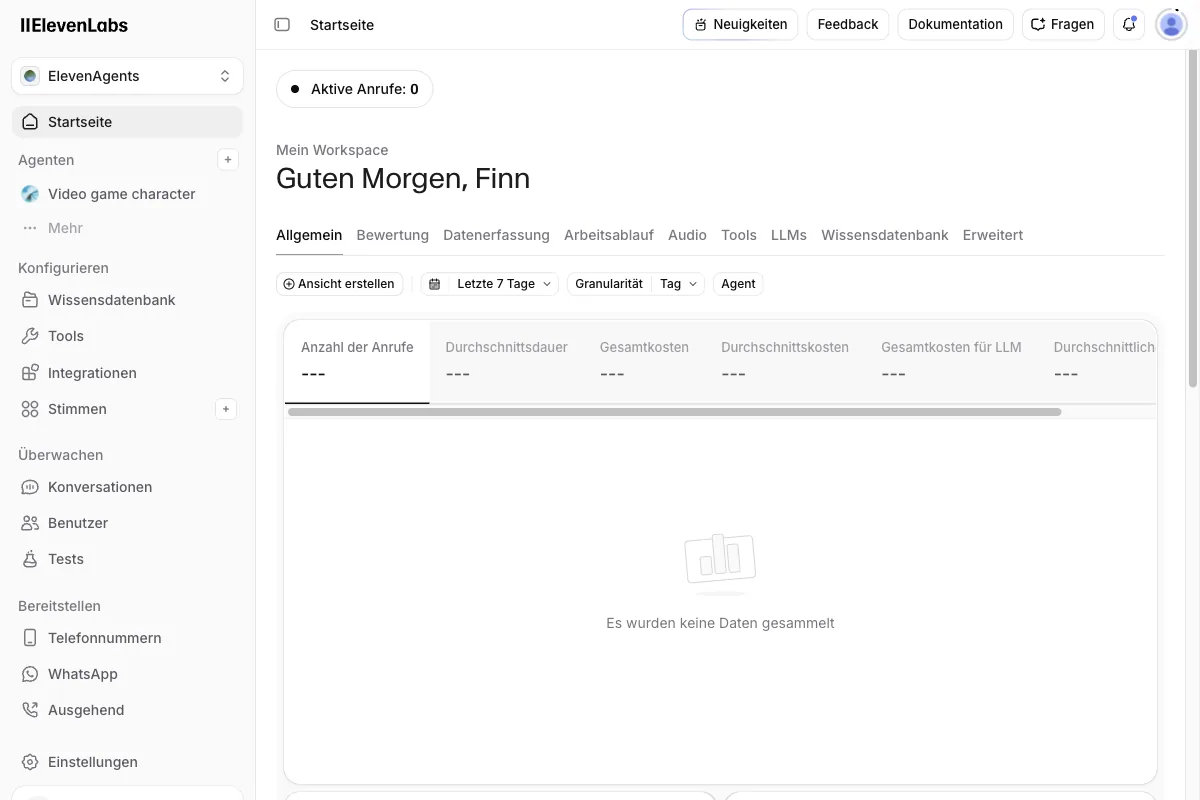
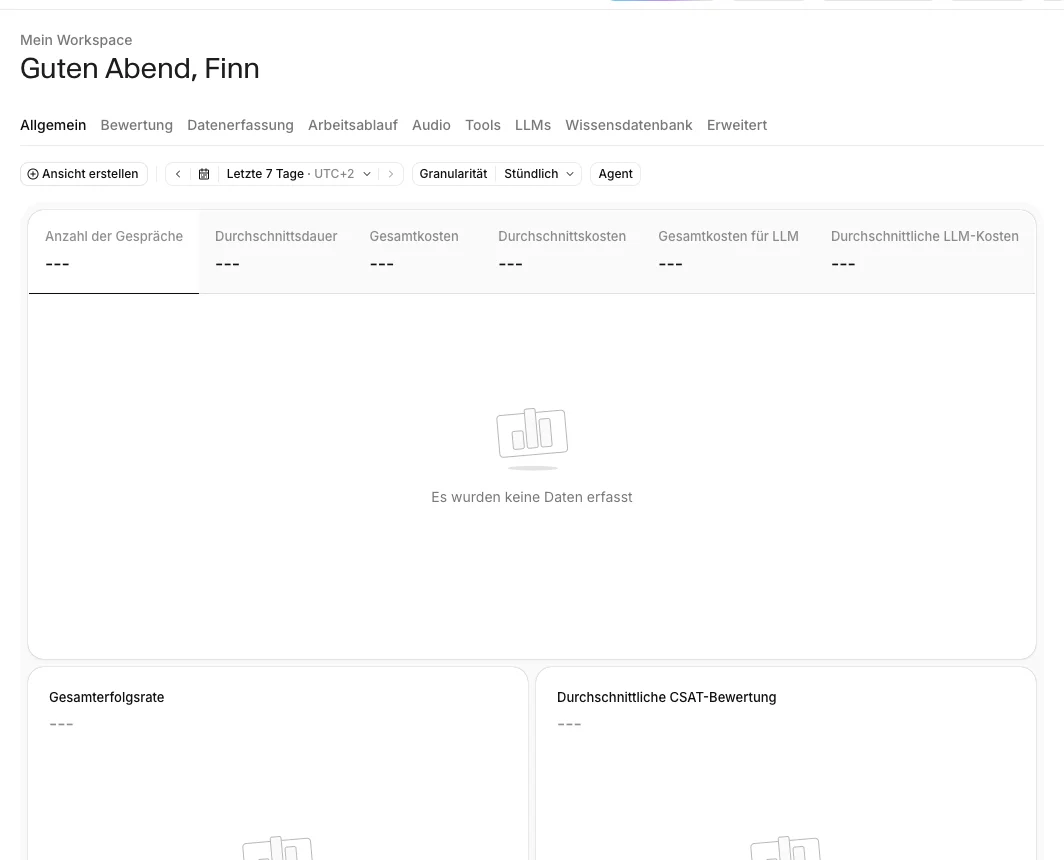
I opened the ElevenAgents dashboard in my own ElevenLabs account, though I didn't go as far as building out an agent in depth. Phone numbers and WhatsApp as channels, plus knowledge base, tools, and LLM configuration, all live in the same interface, matching the five points above.
3.1 How to Build a Voice Agent
The build is less complicated than many people think. At the core, you define four things:
First, the persona and the task. You set who the agent is and what it should be able to do. Is it the friendly front desk of a dental practice that books appointments? Or the sales assistant that qualifies leads? This role determines its tone and its scope of action.
Then the knowledge. You feed the agent the information it needs for its job: opening hours, services, prices, common questions. The cleaner this knowledge is, the more reliably the agent answers.
Next, the actions. You connect the agent to the systems where it should do something. This is the step from talker to doer. Without that connection, the agent can explain things but can't book or enter anything.
And finally, the escalation. You clearly define when the agent hands a conversation off to a human. This point matters more than it sounds, and that's exactly what the next chapter is about.
4. The Math: Is It Really Worth It?
Now we get to the part that's missing from a lot of glossy articles. The cost breakdown.
On paper, the case is clear. The paid plans include a bundle of conversation minutes, and each additional conversation minute with a voice agent costs you around 8 cents. A conversation minute with a human employee costs you, once you factor in overhead, breaks, vacation, sick days, and idle time, a multiple of that. On top of that, the agent works around the clock and simply scales with a call spike, without you scrambling to hire new people.
So far, so convincing.
But that's only half the truth. Because this math only holds for conversations a voice agent can genuinely handle well. And those aren't all of them.
A voice agent shines at recurring, clearly structured tasks. Book an appointment, answer a standard question, take an order. The moment a conversation deviates from that, things get hard. An upset customer, a complex technical problem, a complaint with legal weight, or simply a request the agent doesn't understand: in moments like these, the AI quickly becomes a risk instead of a help.
That's exactly why I'm not a fan of the idea of replacing an entire call center with AI. The better path is a hybrid model.
So you have both sides clearly in view, here are the strengths and limits of an AI voice agent side by side.
- Available around the clock, including at night, on weekends, and on holidays
- Significantly lower cost per minute than human staff
- Scales instantly during call spikes, no need to hire new people
- Consistent quality, no bad days, no off days
- Accesses calendar, CRM, and knowledge base directly and acts on its own
My verdict on the math: yes, a voice agent is worth it. But not as a replacement for your employees, rather as reinforcement. It takes the routine off your team's plate, and that's exactly where the real economic lever sits.
5. What Alternatives to ElevenAgents Are There?
ElevenAgents is the obvious choice for me, but of course it isn't the only platform on the market. This space has grown a lot in 2026, and depending on your requirements, another provider might fit better. Here's an overview, without any sugarcoating.
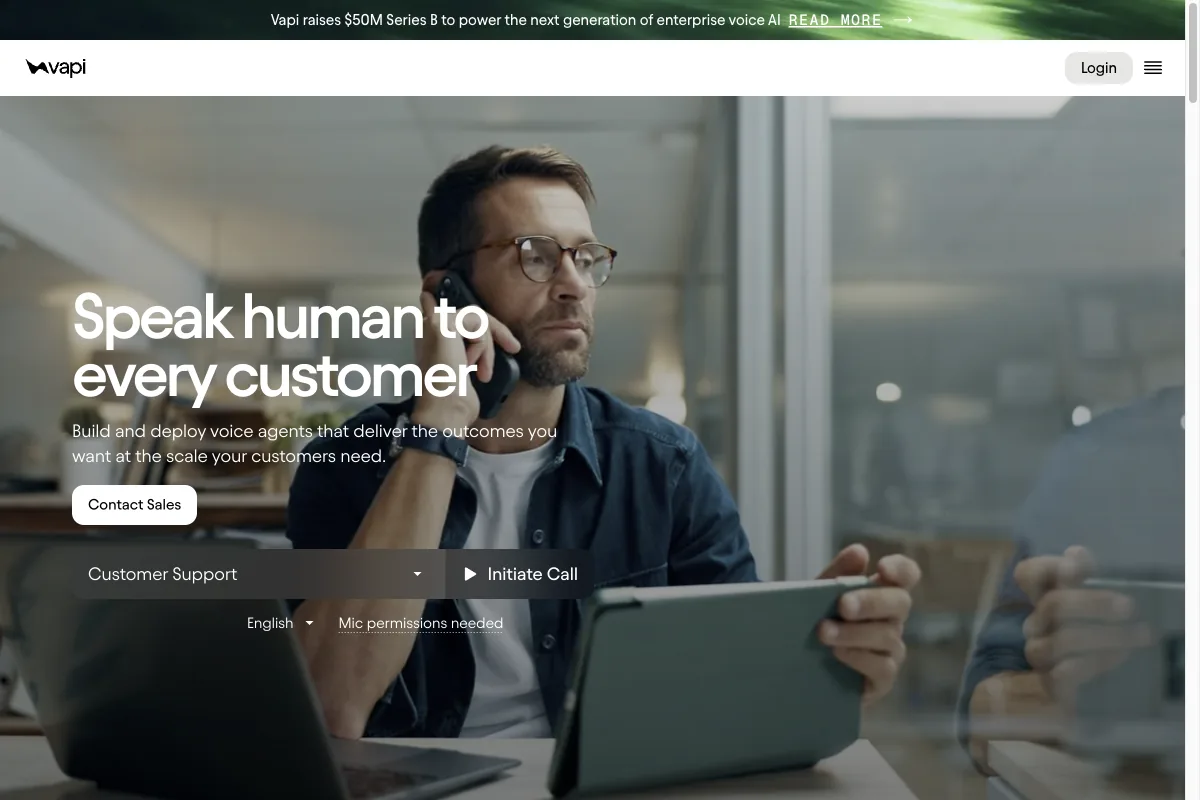
Vapi clearly targets developers. The platform is very flexible and modular, but also demands more technical know-how. Good for teams that want to build a lot themselves.
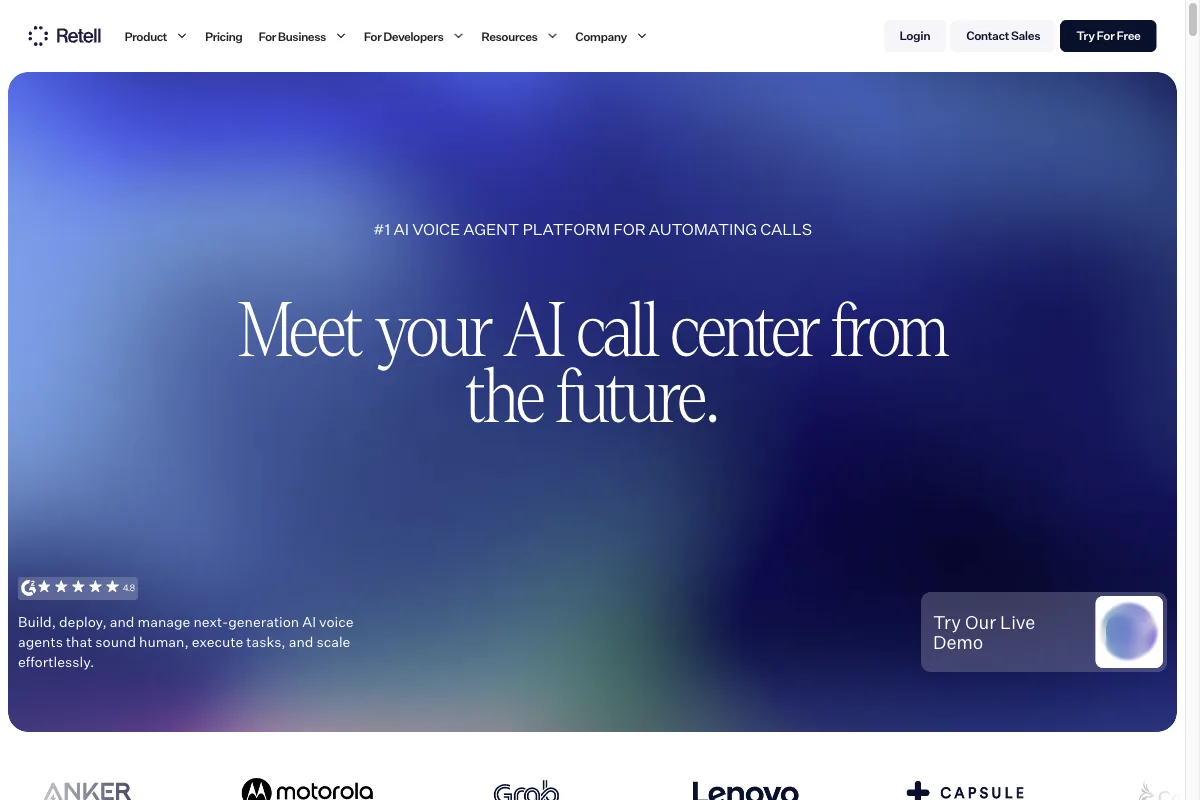
Retell AI focuses on a fast, no-fuss build of phone agents and is popular with many startups.
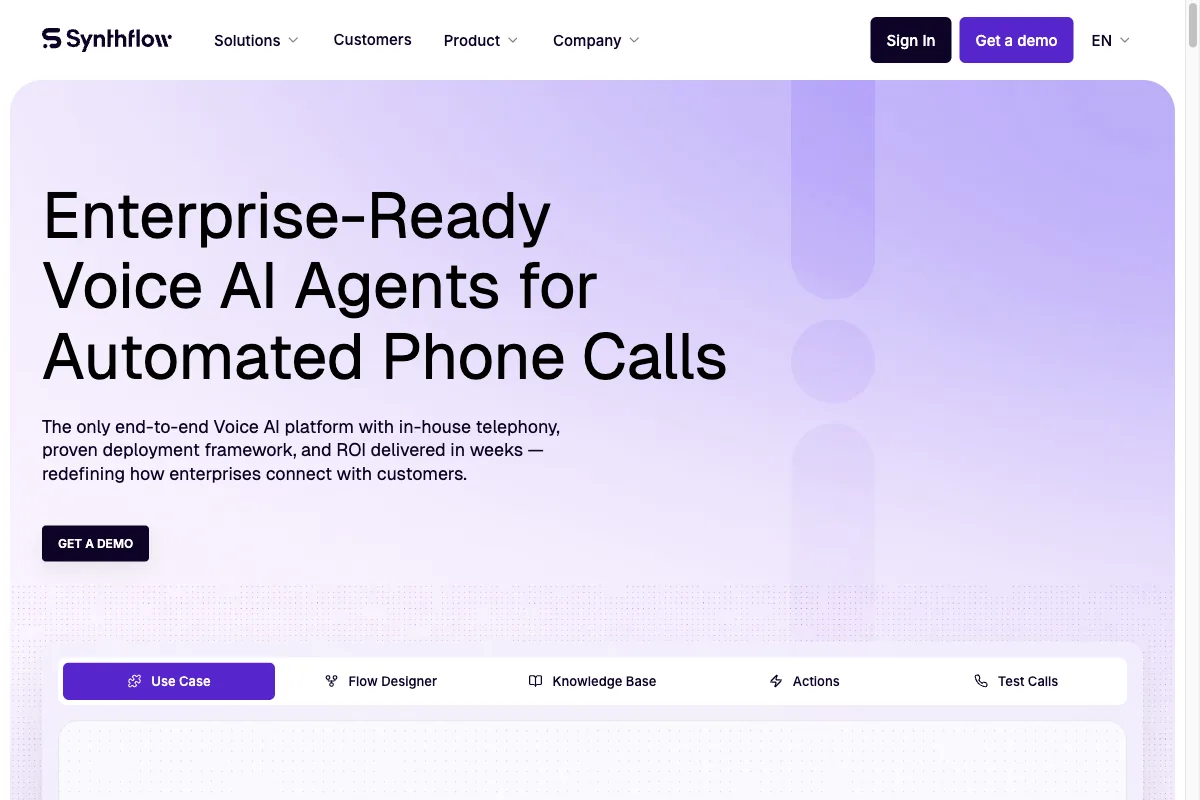
Synthflow is a German company. That can be a real plus for data protection and European proximity if that matters to you.
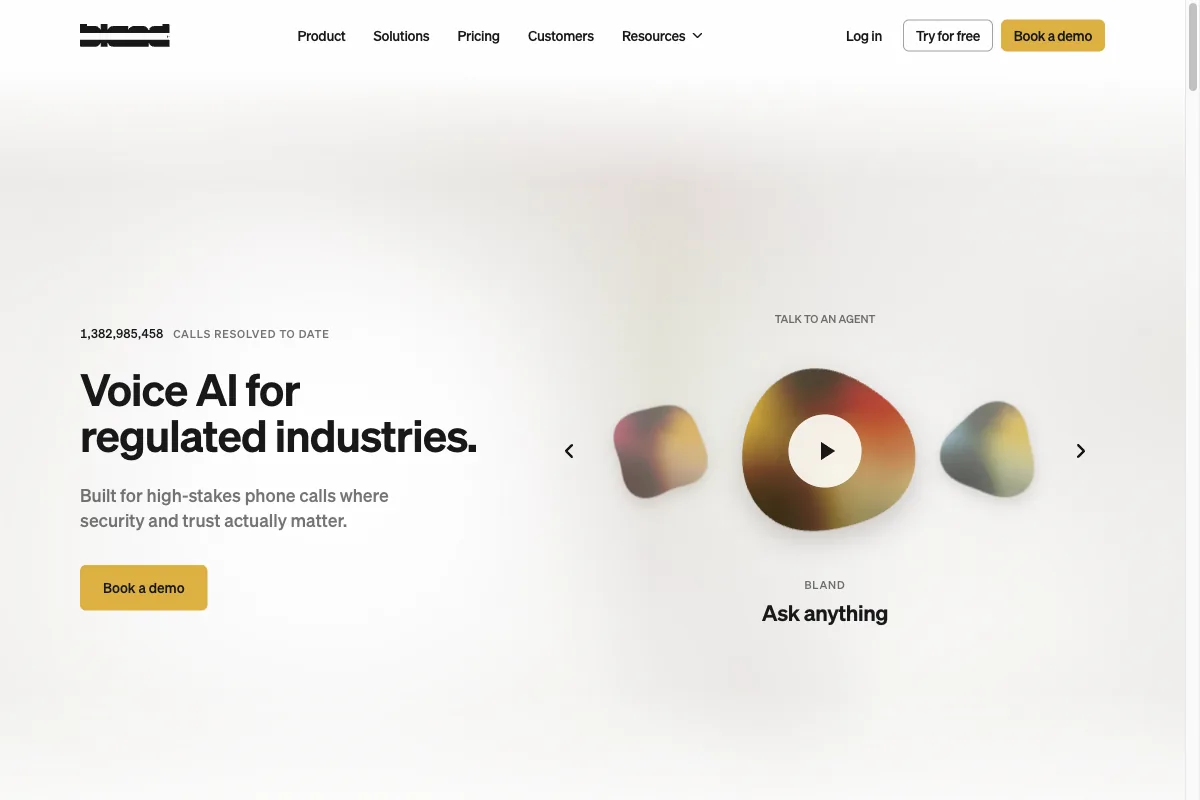
Bland AI positions itself for large volumes of automated calls and puts a lot of weight on reliability at scale.
Cartesia sits more at the model level and stands out with particularly fast, low-latency voice models.
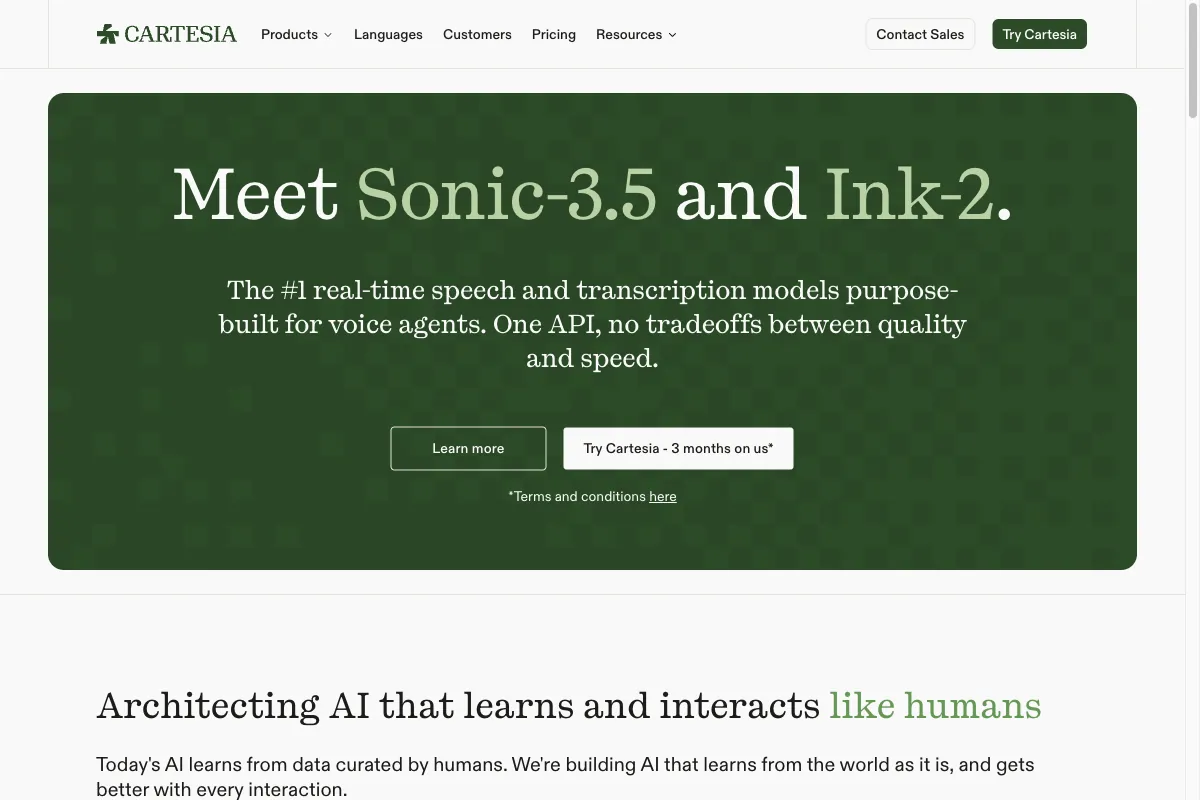
Why would I still start with ElevenLabs? Because I don't want a single-point tool, I want a platform I can build several things on. The voices are first-class, the latency is right, and I use the same account for other voice tasks too. For getting started, that's the most direct route for me.
6. What to Look for When Choosing
If you decide to bring in a voice agent, there are a few criteria that genuinely matter. Not every feature the vendors advertise is relevant in daily use. These are the five points I'd pay the most attention to.
First, latency. It's the most important factor for a natural conversation. Call each platform yourself before you decide and notice how fast the reply comes. Anything over a second feels sluggish.
Second, voice quality in your language. Many tools sound excellent in English but stumble in other languages. Test explicitly with sentences, technical terms, and proper names from your business.
Third, the integrations. A voice agent is only as good as its connection to your systems. Check whether your calendar, your CRM, and your phone system connect cleanly.
Fourth, the escalation. Pay attention to how elegantly the agent hands a conversation off to a human. A clumsy handoff annoys customers more than no agent at all.
Fifth, data protection. Especially with customer phone calls, privacy rules apply. Clarify where the data is processed and whether you get a data processing agreement. A European provider can make some of this a lot easier.
If AI-assisted communication interests you more broadly, also take a look at my article on the best AI meeting assistants. Those take the work off your hands not on the phone, but in your video calls.
7. Conclusion: AI Voice Agents Are Ready for Real Use in 2026
Two years ago, AI phone assistants were a neat experiment. Today they're a serious tool that saves a lot of time and money in the right use cases.
Two things to remember.
First: a voice agent is strong at routine. Customer support around the clock, appointment booking, lead qualification, and outbound campaigns are the use cases where an overage cost of around 8 cents per additional conversation minute clearly beats labor costs. The moment a conversation gets complex or emotional, it belongs in human hands. So the best setup is a hybrid.
Second: quality decides everything. A natural voice and sub-second latency separate the convincing agent from the frustrating robot. That's exactly why ElevenAgents from ElevenLabs is the obvious starting point for me: first-class voices, low latency, and a whole platform instead of a single-point tool.
My advice: build a small prototype for one clearly defined use case, call it yourself, and listen closely. In the first thirty seconds, you'll know whether it works for your business. Roll it out gradually, with a human in the background, and then expand what proves itself.